What Landlords Should Know About Routine Exterior Cleaning
If you own a rental property in Rockhampton, exterior cleaning is one of the most cost-effective ways to https://lorenzogpgf486.meridiannest.com/posts/sustainable-water-use-during-drought-safe-pressure-cleaning protect your investment. Central Queensland's climate is hard on the outside of a building. Hot, humid summers, heavy wet-season downpours, red dust, and strong UV exposure all take a toll on roofs, walls, driveways, and outdoor living areas. Staying on top of routine cleaning helps you avoid bigger repair bills, keep tenants happy, and present a property that attracts quality renters.
Why Exterior Cleaning Matters for Rental Properties
Many landlords focus on interior condition and overlook the outside, but the exterior is the first thing prospective tenants see. It also affects the long-term durability of building materials. Mould, algae, and grime are not just cosmetic. Left alone, they can hold moisture against surfaces, accelerate deterioration of paint and render, and create slip hazards on paths and patios.
In a humid subtropical environment like Rockhampton's, organic growth can establish quickly, particularly on shaded south-facing walls, concrete, pavers, and timber decking. Regular cleaning interrupts this cycle before it becomes a costly problem.
Protecting Your Asset Value
Well-maintained exteriors support stronger rental appraisals and reduce vacancy periods. Properties that look cared for generally attract tenants who treat them with respect. Documented maintenance also strengthens your position at the time of sale, as buyers and building inspectors can see the property has been looked after.
Reducing Long-Term Repair Costs
Pressure cleaning and soft washing remove contaminants that break down coatings and surfaces. Clean gutters and roofs drain properly, which reduces the chance of water damage to fascias, eaves, and internal ceilings. Spending a modest amount on routine cleaning can delay the need for repainting, resealing, or replacing materials.
Key Areas to Include in a Routine Exterior Clean
Not every part of the property needs attention at the same frequency, but these areas should be on your radar:

- Roof and gutters: Leaves, dust, and debris block drainage, while moss and lichen can shorten the life of roofing materials. Clear gutters before the wet season, typically from November onward.
- External walls and cladding: Mould, cobwebs, mud-dauber nests, and dirt build up on brick, render, weatherboard, and Colorbond. Gentle washing keeps paint and finishes in good condition.
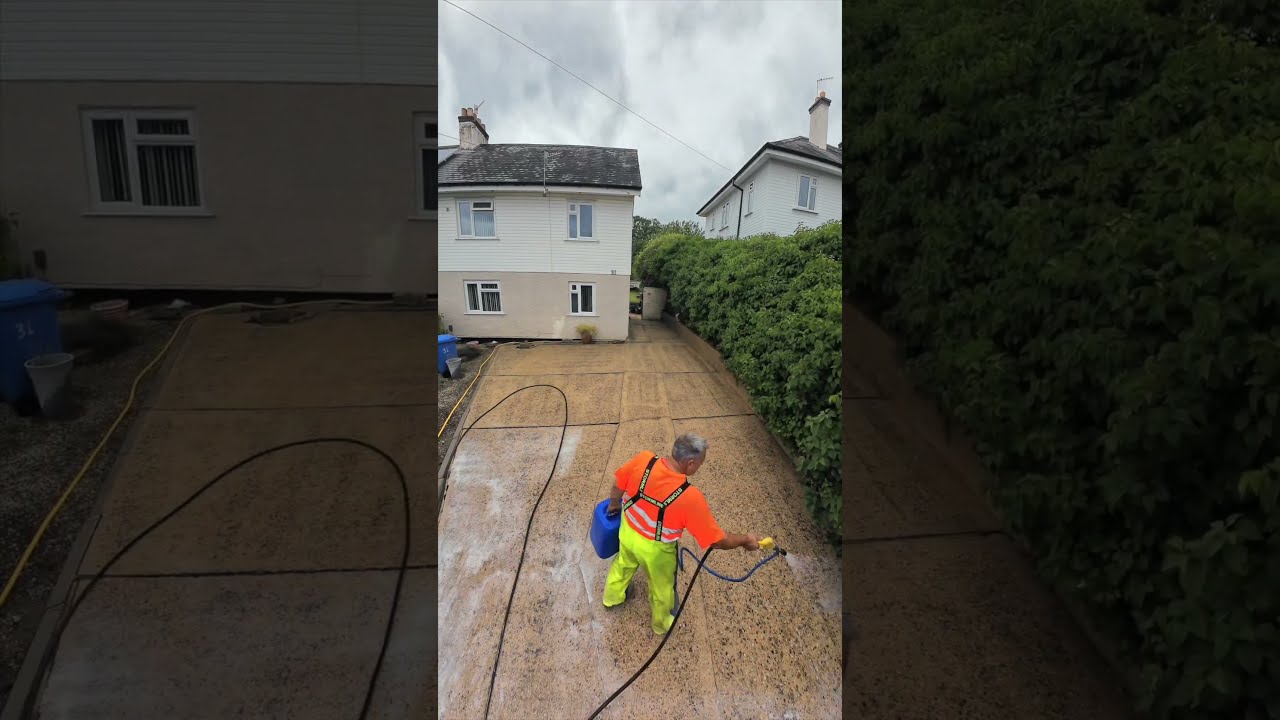
- Driveways and paths: Oil stains, algae, and tyre marks are common. Slippery surfaces are also a liability concern for owners.
- Patios, decks, and pergolas: Outdoor entertaining areas are heavily used by tenants and need regular attention to prevent mould and timber decay.
- Fences and retaining walls: Cleaning prevents organic growth and helps you spot structural issues early.
- Windows, screens, and frames: Dust and salt-free but gritty residue can scratch glass and clog tracks over time.
How Often Should Landlords Schedule Exterior Cleaning?
The right schedule depends on the property's age, materials, tree coverage, and exposure. As a general guide for Rockhampton properties:
- Gutters: At least once a year, and twice if the property is surrounded by trees.
- Driveways, paths, and patios: Every 12 months, or sooner in shaded, damp areas.
- External walls and roofs: Every one to three years, depending on how quickly mould or staining appears.
- Windows: Once or twice a year, often aligned with routine inspections.
Many landlords find it easiest to tie exterior cleaning to the dry season, when surfaces dry quickly and the weather is more predictable, then do a quick check of gutters and drainage before the wet season begins.
Understanding Your Responsibilities Under Queensland Law
In Queensland, the Residential Tenancies and Rooming Accommodation Act 2008 requires lessors to provide the property in a clean condition at the start of a tenancy and to maintain it in good repair and in a state that is safe to occupy. Tenants are generally responsible for keeping the property reasonably clean and for minor garden upkeep, but structural and safety-related maintenance remains with the owner.
This distinction matters for exterior cleaning. Tasks such as roof and gutter cleaning, treating mould on external structures, and addressing slip hazards on paths usually fall to the landlord, especially where they affect safety or the integrity of the building. Always check your tenancy agreement and the current guidance from the Residential Tenancies Authority (RTA), as rules and recommendations are updated from time to time.
Safety and Liability Considerations
Slippery steps, mossy pavers, and blocked drainage can lead to injuries or water damage. Keeping records of cleaning and maintenance shows that you have taken reasonable steps to keep the property safe. Working at heights, such as cleaning roofs and gutters, also carries real risk, so it is wise to use a qualified provider with appropriate insurance rather than asking tenants to attempt it.
Choosing the Right Cleaning Method
Different surfaces call for different techniques. Using the wrong method can cause damage that costs more than the cleaning itself.
High-Pressure Cleaning
Best suited to hard, durable surfaces like concrete driveways, pavers, and brick paths. It removes embedded dirt, oil marks, and algae effectively. Pressure settings must be controlled, as excessive force can etch concrete, dislodge grout, or damage softer materials.
Soft Washing
Soft washing uses low pressure combined with appropriate cleaning solutions to treat roofs, rendered walls, weatherboards, and painted surfaces. It targets the mould and algae at the source rather than blasting it off, which helps results last longer and protects delicate finishes.
Manual and Specialty Cleaning
Windows, screens, timber decks, and heavily stained areas may need hand cleaning or specialised treatments. Timber often benefits from cleaning followed by a fresh coat of sealant or oil to protect it from the weather.
Practical Tips for Landlords
- Include exterior condition in routine inspections. Take dated photos at each inspection so you can track changes over time.
- Clarify responsibilities in writing. Make sure your tenancy agreement and property manager understand who handles which tasks.
- Book before the problem escalates. Early-stage mould and staining are far easier and cheaper to remove than deeply embedded growth.
- Coordinate with tenants. Give proper notice for entry, and ask them to move vehicles, outdoor furniture, and pot plants where needed.
- Keep invoices and records. Maintenance costs may be tax-deductible as repairs, but you should confirm how they apply to your situation with a registered tax professional.
- Consider water and environmental rules. Use providers who manage runoff responsibly, particularly near stormwater drains and waterways.
Preparing for Wet Season and Storm Risks
Rockhampton's wet season brings intense rainfall and the occasional severe storm, so preparation is important. Clear gutters and downpipes, trim overhanging branches, and remove debris from drains and around the base of the building. Cleaning before the wet season means water flows away from the property as designed, rather than pooling against walls or entering roof cavities. After storms, a quick check and clean-up helps remove leaf litter and mud that can stain surfaces and encourage mould.

Choosing a Local Exterior Cleaning Provider
When hiring a service, look for a provider who understands local conditions and the needs of rental properties. Consider the following:
Ask whether they carry public liability insurance and whether their team is trained to work safely at heights. Request a clear quote that outlines the areas to be cleaned and the methods to be used. A reputable provider will assess each surface and explain why they recommend pressure cleaning or soft washing. It also helps if they offer flexible scheduling that works around tenants and can work with your property manager.
Bundling services, such as gutters, driveway, and walls, in one visit often reduces the overall cost and simplifies scheduling. Some landlords set up a regular annual maintenance plan to keep everything consistent.
Final Thoughts
Routine exterior cleaning is not just about appearances. For Rockhampton landlords, it supports safety, protects building materials from the local climate, keeps tenants satisfied, and helps preserve the value of the investment. By understanding your obligations, scheduling cleaning around the seasons, and choosing the right methods for each surface, you can keep your property looking good and performing well in 2026 and into 2027 and beyond. A small, consistent maintenance routine is almost always cheaper than dealing with the consequences of neglect.
Capricorn House Washing
0482 073 600